
Transition milk improves health in neonatal calves
Feeding calves transition milk instead of milk replacer in the first days of life stimulates intestinal development and improves health scores. In a new report in the Journal of Dairy Science, five researchers from Michigan State University examine the effects of transition milk on the health and growth of Holstein bull calves. They found several benefits, including improved development in all sections of the small intestine and increased weight gain compared with calves fed milk replacer.
Lead researcher, Michael J. VandeHaar, PhD, Department of Animal Science, Michigan State University, noted that some of the increased gut development and growth may be attributed to the greater energy, fat, and protein in transition milk compared with milk replacer. However, VandeHaar continued, "We suggest that these improvements were at least partly caused by the presence of the bioactive compounds found in transition milk. We further speculate that improved intestinal development and health would have carry-over benefits and enhance health and growth for most of the critical first three weeks in the life of a calf."
Transition milk, present the first few milkings after colostrum, contains higher levels of nutrients, as well as bioactive components, such as insulin-like growth factor-1, growth hormone, and insulin, not found in milk replacer. The gastrointestinal tract of a calf is relatively mature at birth, but hormones and growth factors within colostrum stimulate growth of the gastrointestinal tract and regeneration after inflammatory damage, as found in previous studies. This study specifically tests the effects of transition milk in the first four days of life following colostrum feeding in newborn Holstein bull calves.
Calves fed transition milk (collected in milkings two through four after calving) consumed more solids, metabolizable energy, and protein, and gained twice as much body weight over the four-day study than those fed milk replacer. They also had better cough, fecal, nose, and ear health scores in the first four days after colostrum than those fed milk replacer. Feeding transition milk instead of milk replacer doubled villus length and width, as well as mucosa thickness in the duodenum, proximal jejunum, middle jejunum, and ileum. Transition milk also tended to increase the number of T cells within the epithelial layer of the ileum.
These data support the recommendation that transition milk should be fed on the second and third days of a calf's life. The authors concluded that feeding transition milk for four days following an initial feeding of colostrum stimulates villus, mucosal, and submucosal development in all sections of the small intestine in the first few days of life and improves health and growth.
This help answer the common question of How do I keep my calves healthy?
Related Products

First Thirst Calf Colostrum Fortifier - Powdered Supplement 2.25kg
UK ONLY This is one of our original products and still one of our best sellers. We now add i..
£164.54 £164.54

Life Guard Calf Electrolyte sachets
“Life-Guard” Electrolyte for Calves - A high specification electrolyte powder..
£33.99 £33.99

TK Swordsman Disinfectant 5kg
Prevention is better than cure. Whether calving, lambing or calf-rearing thorough attention to achie..
£124.55 £103.79
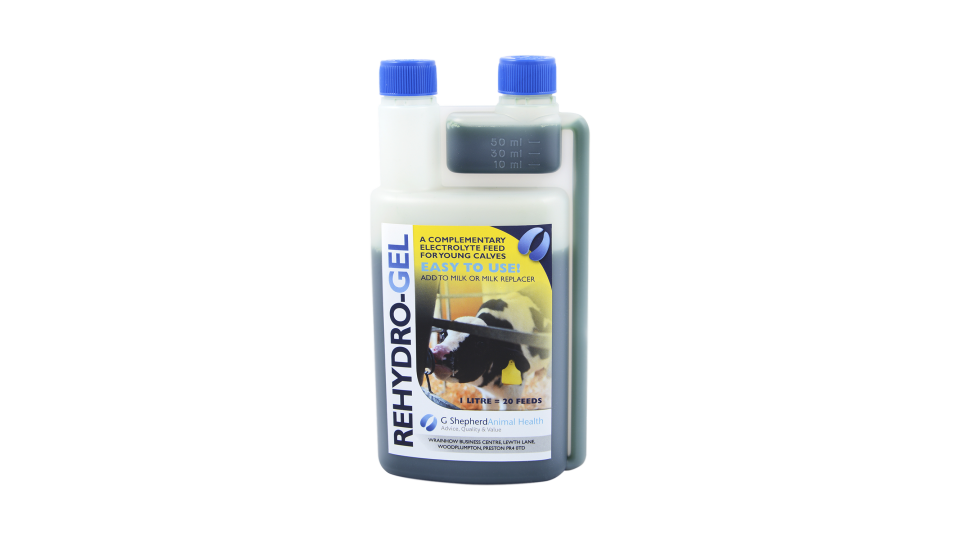
RehydroGEL Calf Electrolyte Liquid 1 litre or 5L refill
RehydroGEL Calf Electrolyte Liquid 1 litre is A COMPLEMENTARY ELECTROLYTE FEED FOR ..
£26.75 £26.75
You might also like
Are we feeding live Johnes disease / MAP in calf milk replacer?
Are we feeding live Johnes / Mycobacterium avium subsp. paratuberculosis in calf milk replacer? S...Read more

SHEPHERD AGRI invests in dairy hygiene with new appointment
Better dairy hygiene products and advice can help farmers to boost animal health and productivity, a...Read more

Study shows heat-treated colostrum performs better
A study recently published in the Journal of Dairy Science showed that heat-treating colostrum suppo...Read more

Pasteurising milk and colostrum reduces calf scours
Pasteurising milk and colostrum for calf feeding is becoming more popular in the UK. ...Read more