
B Vitamins for Dairy Cows: Why They Matter More Than You Think
Graham’s summary-
- B vitamins are vital for the high producing dairy cow.
- Health, liver function, productivity and reproduction are all affected by deficiency
- The rumen does not make enough and destroys most of them!
- New better ways of protecting B Vitamins in the feed are now available in the UK to bring real benefits to the cow, the farmer and the consumer

For years, dairy nutrition has focused on vitamins A, D and E — but B vitamins are just as essential for supporting metabolism, milk production and reproductive performance. Traditionally, nutritionists assumed the rumen produced enough B vitamins to meet a cow’s needs. Modern research tells a different story.
High‑producing dairy cows, especially those under metabolic stress, often cannot rely solely on rumen synthesis. Factors like low rumen pH, high turnover rates, and the demands of early lactation can all reduce B‑vitamin availability. As a result, targeted supplementation can unlock measurable improvements in production, fertility and overall health.
Below is a practical breakdown of the key B vitamins and what the research shows about their role in dairy performance.
Why Supplement B Vitamins?
Dairy cows require B vitamins for:
• Maintenance
• Growth
• Milk production
• Reproduction
Although rumen microbes do produce B vitamins, the supply isn’t always enough to support today’s high‑yielding cows. Research models show that several vitamins — particularly choline, riboflavin, folic acid, pantothenic acid, pyridoxine and biotin — can fall short during transition and lactation.
Supplementation, especially in rumen‑protected form, has been shown to improve:
• Milk yield
• Milk components
• Fertility
• Metabolic stability
• Hoof health
A Closer Look at the Key B Vitamins
Biotin
Biotin is best known for its role in hoof health. Because hoof horn grows slowly, improvements take months to appear — but they are well‑documented. Most claw disorders (except double sole and heel erosion) respond positively to biotin supplementation.
Meta‑analyses ( that is looking at and combining many trials) also show that biotin can increase milk yield without affecting fat or protein percentages.
Folic Acid (Vitamin B9)
Folic acid demand increases dramatically during pregnancy. Levels naturally drop as calving approaches, and the lowest concentrations occur around parturition.
Research highlights include:
• Improved milk protein and yield
• Better reproductive performance
• Fewer days to first AI
• Fewer services per conception
Rumen‑protected folic acid is particularly effective.
Niacin
Niacin has long been used to help manage clinical and subclinical ketosis. Although the exact mechanism is debated, one common theory is that niacin reduces fat mobilisation to the liver, supporting glucose production.
Responses vary, but potential benefits include:
• Reduced ketosis risk
• Increased rumen microbial protein
• Improved protozoal growth
Its low cost and partial absorption in the stomach have made it a popular supplement.
Vitamin B12
Vitamin B12 works closely with folic acid and is essential for converting propionate into glucose — a key pathway for high‑producing cows to use energy for production.
Because plants contain no B12, cows rely entirely on rumen microbes, which require cobalt to synthesise it.
Research shows:
• B12 injections can increase milk yield
• Supplementation may help prevent milk fat depression
Pyridoxine (Vitamin B6)
Pyridoxine is involved in:
• Carbohydrate metabolism
• Protein synthesis
• Prostaglandin production
Studies using rumen‑protected B6 show improvements in both milk yield and reproductive performance.
Choline
Choline is unique because cows require it in relatively large amounts. It plays a major role in:
• Fat export from the liver
• Lipoprotein formation
• Preventing fatty liver
This makes it especially important for transition cows. Many studies show reduced liver fat and improved metabolic health, with some also reporting increased milk yield.
Riboflavin (Vitamin B2)
Riboflavin is a precursor for FMN and FAD — cofactors essential for energy metabolism. It also supports antioxidant function through glutathione.
Although dairy‑specific research is limited, studies in other species show:
• Improved reproductive performance
• Better dry matter intake
Pantothenic Acid (Vitamin B5) forms part of coenzyme A, which is central to:
• Energy production
• Fatty acid synthesis
• Hormone production
It has been linked to improved ovarian function and faster uterine involution.
Why Rumen Protection Matters

Many B vitamins are extensively degraded in the rumen. Research shows destruction rates such as:
• Riboflavin: 75 to 99%
• Choline: >99%
• Folic acid: 97%
• Pantothenic acid: ~50%
• Biotin: 45–60%
• Vitamin B12: 60–70%
Because of this, rumen‑protected forms or injections are often necessary to ensure adequate absorption.
Forget injections except for sick cows, in feed supplementation of protected vitamins is the way
Microencapsulation technology allows vitamins to bypass rumen degradation and reach the small intestine, where they can be absorbed effectively.
Final Thoughts
B vitamins are emerging as a powerful tool in modern dairy nutrition. While cows do produce some vitamins through rumen fermentation, today’s high‑performance animals often need more than the rumen can supply — especially during transition and early lactation.
Strategic supplementation, with rumen‑protected forms, can support:
• Higher milk production
• Better fertility
• Improved metabolic health
• Stronger hooves
• Overall cow well‑being
Contact Graham Shepherd to discuss and get supplies of protected prilled vitamins for both transition cows and lactating cows [email protected]
Related Products
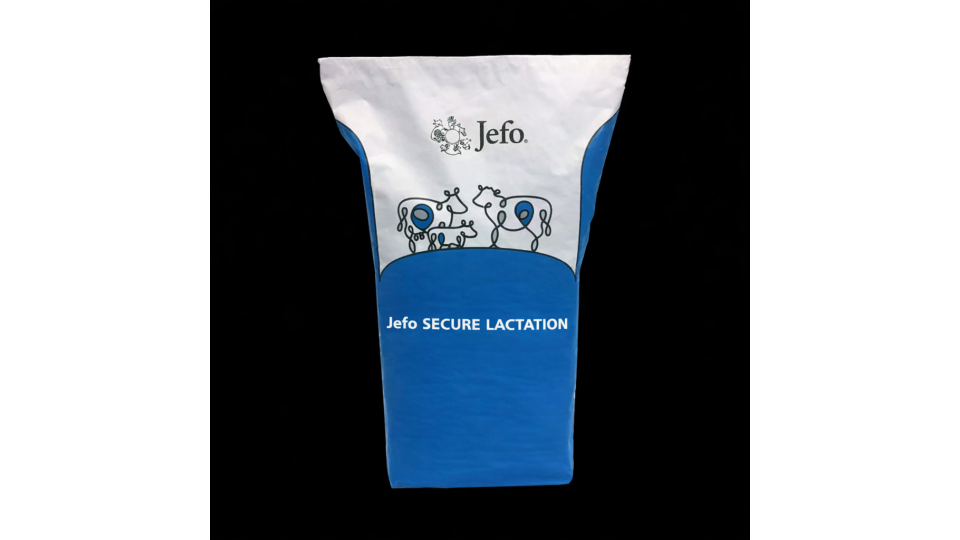
Jefo Secure Lactation 50 Farmpack
PLEASE CONTACT GRAHAM ON 07778191964 IF YOU ARE INTERESTED IN THIS PRODUCT. “New things from Ca..
£151.20 £151.20

Jefo Secure Transition
PLEASE CONTACT GRAHAM ON 07778 191964 IF YOU ARE INTERESTED IN THIS PRODUCT. THE KEY IS THAT THES..
£190.75 £190.75
You might also like
Are we feeding live Johnes disease / MAP in calf milk replacer?
Are we feeding live Johnes / Mycobacterium avium subsp. paratuberculosis in calf milk replacer? S...Read more

SHEPHERD AGRI invests in dairy hygiene with new appointment
Better dairy hygiene products and advice can help farmers to boost animal health and productivity, a...Read more

Study shows heat-treated colostrum performs better
A study recently published in the Journal of Dairy Science showed that heat-treating colostrum suppo...Read more

Pasteurising milk and colostrum reduces calf scours
Pasteurising milk and colostrum for calf feeding is becoming more popular in the UK. ...Read more