
Life Guard Sachets: An excellent tool in Calf Scour Management
In the crowded UK market of sachet-based calf electrolytes, Life Guard sachets from G Shepherd Animal Health offer affordability, effectiveness, and gut protection—making them a strong contender against competitor products like ‘Product LP”, “Product LX”, and “E”.
Unlike basic rehydration formulas, Life Guard is designed to address the full spectrum of scour-related challenges: dehydration, acidosis, energy loss, and intestinal irritation. Each sachet contains a carefully balanced formulation, enhancing rehydration and replacement of salts. It’s buffered with sodium bicarbonate, making it effective in correcting metabolic acidosis—a common consequence of calf diarrhoea.
What sets LifeGuard apart is its inclusion of activated charcoal and kaolin clay, two natural agents known for their toxin-binding and gut-soothing properties. These ingredients help absorb harmful substances in the gut, reduce irritation, and support faster recovery.
While some competitors offer strong electrolyte profiles, they lack this protective benefit.
From a cost perspective, Life Guard remains one of the most economical options on the market, typically priced from around £1.11 per feed, compared to £1.50–£2.00 for many alternatives.
Summary Comparison
|
Product |
Buffered |
Energy Source |
Toxin Binders |
Cost per Feed |
Best Use Case |
|
LifeGuard Sachets |
Yes,High |
Glucose + Glycine |
Charcoal + Kaolin |
~£1.11 |
Severe scour + gut protection |
|
Competitor LP |
Yes,Low |
Glucose + Glycine |
None |
~£1.60–£2.00 |
Basic Scour |
|
Competitor E |
Yes,High |
Glucose + Glycine |
None |
~£1.50–£2.00 |
Severe scour |
|
Competitor LX |
Yes,Less |
Glucose |
None |
~£1.95 |
Basic scour |
In summary, Life Guard sachets offer more than just rehydration—they deliver targeted support for calves facing severe digestive challenges, combining electrolyte therapy with gut protection in a single, easy-to-use sachet.
----------------------------------------
Comparing our RehydroGEL liquid electrolyte and Life Guard sachets-
“While both RehydroGEL and LifeGuard sachets support rehydration and recovery, their formats reflect different approaches-
- RehydroGEL allows continued milk feeding, ideal for mild / moderate scour cases and nutritional continuity.
- LifeGuard sachets, with their high bicarbonate buffering, glycine, charcoal, kaolin and glucose content, are also suited to more severe dehydration—though they require a temporary pause in milk feeding.”
- Both these electrolytes from G Shepherd Animal Health also tackle acidosis. This is when the body fluids of the scouring calf become too acid. This depresses the calf severely and stops them drinking. Coupled with high fluid losses, dehydration, the acidosis puts the final nail in the coffin. Both of these electrolytes are highly ‘specced’ for neutralising the acidosis
However, if you are used to electrolyte sachets in 2 litres of water, carry on. LifeGuard is an excellent sachet. It works well!
Also, If you want the charcoal and kaolin and want to use RehydroGEL, then you can use our Diarid Boluses to provide those two things.
Related Products
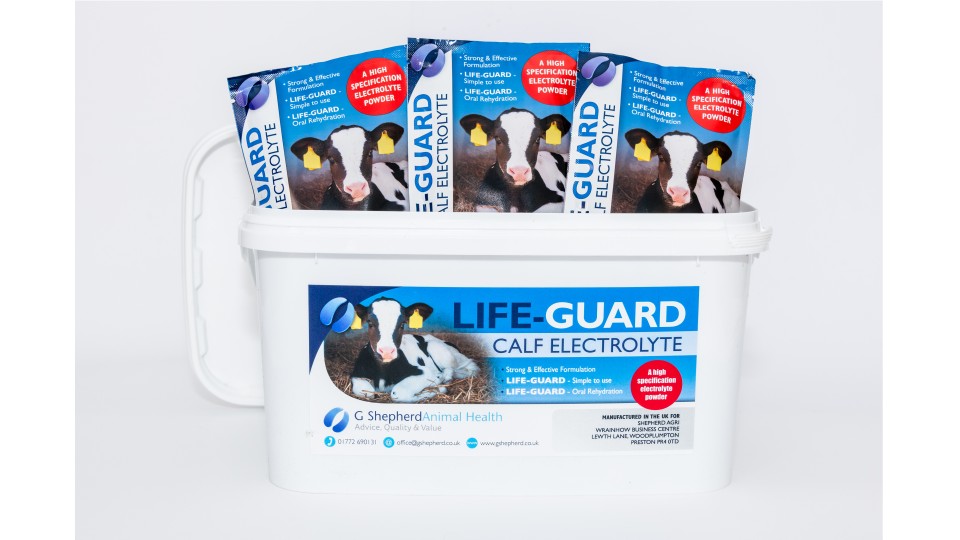
Life Guard Calf Electrolyte sachets
“Life-Guard” Electrolyte for Calves - A high specification electrolyte powder..
£33.99 £33.99
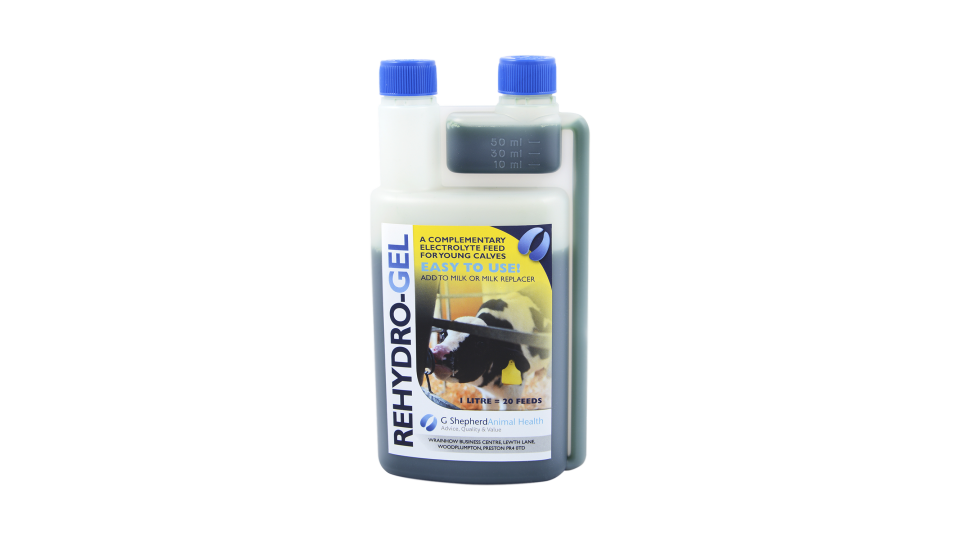
RehydroGEL Calf Electrolyte Liquid 1 litre or 5L refill
RehydroGEL Calf Electrolyte Liquid 1 litre is A COMPLEMENTARY ELECTROLYTE FEED FOR ..
£26.75 £26.75
You might also like
Are we feeding live Johnes disease / MAP in calf milk replacer?
Are we feeding live Johnes / Mycobacterium avium subsp. paratuberculosis in calf milk replacer? S...Read more

SHEPHERD AGRI invests in dairy hygiene with new appointment
Better dairy hygiene products and advice can help farmers to boost animal health and productivity, a...Read more

Study shows heat-treated colostrum performs better
A study recently published in the Journal of Dairy Science showed that heat-treating colostrum suppo...Read more

Pasteurising milk and colostrum reduces calf scours
Pasteurising milk and colostrum for calf feeding is becoming more popular in the UK. ...Read more