
Tackling Salmonella in Calves
Salmonella is a persistent and potentially devastating pathogen that can affect calves, leading to significant health issues and economic losses in the farming industry. Understanding its impact and effective prevention methods is crucial for maintaining herd health and ensuring sustainable farming practices. In this blog, we'll explore the causes, symptoms, and preventive measures for Salmonella in calves, highlighting the latest research on disinfectants to combat this menace.
Understanding Salmonella
Salmonella is a group of bacteria that can cause illness in both humans and animals. In calves, Salmonella infection can manifest as diarrhoea, fever, and severe dehydration. The bacteria are typically spread through contaminated feed, water, or contact with infected animals. Young calves are particularly vulnerable due to their underdeveloped immune systems.
Symptoms of Salmonella in Calves
Recognising the signs of Salmonella infection early is vital for prompt treatment and containment. Common symptoms include:
- Diarrhoea: Often bloody or watery, leading to dehydration.
- Fever: Elevated body temperature as the immune system fights the infection.
- Lethargy: Reduced activity and lack of energy.
- Loss of appetite: Infected calves may refuse to eat, leading to weight loss.
If left untreated, Salmonella can cause severe health complications and even death. Therefore, timely intervention is critical.
Prevention and Control Measures
Preventing Salmonella infection involves a combination of good hygiene practices, proper nutrition, and biosecurity measures. Key strategies include:
- Hygiene: Regular cleaning and disinfecting of feeding equipment, water troughs, and housing facilities to eliminate potential sources of infection.
- Nutrition: Ensuring calves receive a balanced diet to strengthen their immune systems.
- Biosecurity: Implementing strict biosecurity measures to prevent the introduction and spread of Salmonella on the farm. This includes isolating new animals and controlling visitor access to the farm.
The Role of Disinfectants
Effective disinfection is a cornerstone of preventing Salmonella outbreaks. Recent research has focused on identifying disinfectants that are particularly effective against Salmonella. A study on disinfectant efficacy against Salmonella highlights the importance of choosing the right products and methods for farm hygiene. For more detailed insights into the latest disinfectant research, you can read this comprehensive article on disinfectant research against Salmonella.
Conclusion
Salmonella in calves is a serious concern that requires vigilant management and proactive measures. By maintaining high standards of hygiene, providing proper nutrition, and implementing robust biosecurity practices, farmers can significantly reduce the risk of infection. Staying informed about the latest research and advancements in disinfectants will further enhance the effectiveness of these measures, ensuring healthier calves and more resilient farming operations.
For more information on how to protect your livestock from Salmonella and other pathogens, visit G Shepherd Animal Health's disinfectant research page.
Related Products
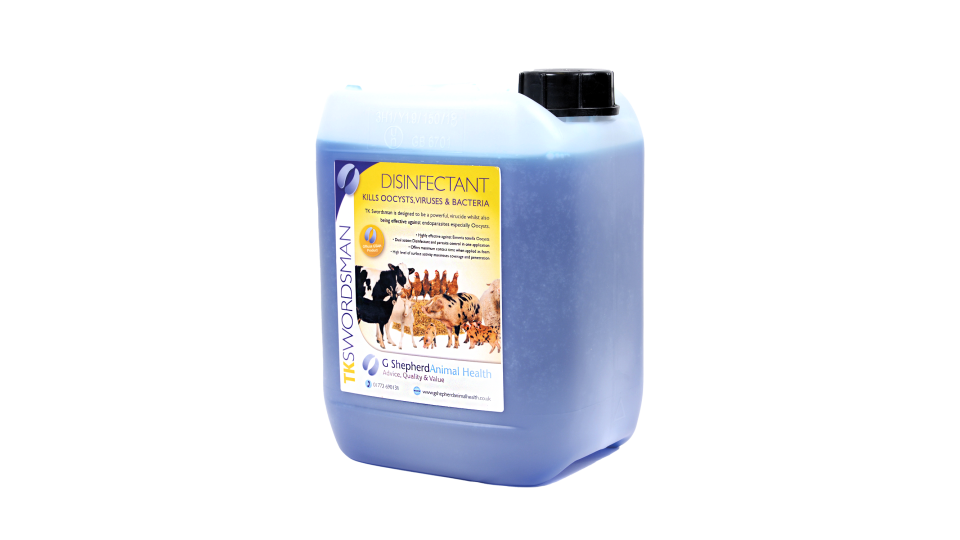
TK Swordsman Disinfectant 5kg
Prevention is better than cure. Whether calving, lambing or calf-rearing thorough attention to achie..
£124.55 £103.79
You might also like
Are we feeding live Johnes disease / MAP in calf milk replacer?
Are we feeding live Johnes / Mycobacterium avium subsp. paratuberculosis in calf milk replacer? S...Read more

SHEPHERD AGRI invests in dairy hygiene with new appointment
Better dairy hygiene products and advice can help farmers to boost animal health and productivity, a...Read more

Study shows heat-treated colostrum performs better
A study recently published in the Journal of Dairy Science showed that heat-treating colostrum suppo...Read more

Pasteurising milk and colostrum reduces calf scours
Pasteurising milk and colostrum for calf feeding is becoming more popular in the UK. ...Read more